
GFCI Outlet Installation Las Vegas | Professional Shock Protection
As of January 11, 2026, Clark County adopted the 2023 NEC with Southern Nevada amendments. GFCI protection is now mandatory for ALL kitchen receptacles—not just countertops. Your refrigerator outlet needs GFCI. Your microwave outlet needs GFCI. Ground fault protection is the most critical safety layer in your home.
Essential Ground Fault Protection for Your Vegas Home
GFCI outlets detect ground faults—current leaking to ground through unintended paths. When leakage current exceeds 4 to 6 milliamps, the GFCI trips in 25 milliseconds, preventing electrocution. Code requires GFCI protection where water and electricity can meet.
Kitchen & Bathroom GFCI Upgrades
The 2026 Clark County code change is significant. Previously, only countertop receptacles within 6 feet of sinks required GFCI. Now ALL kitchen receptacles need GFCI—refrigerator, microwave, dishwasher, garbage disposal, and countertops.
This addresses a safety gap. Refrigerators and dishwashers develop ground faults from water leaks. Garbage disposals experience moisture intrusion. These appliances can energize metal cabinets and sinks.
We install GFCI receptacles at each appliance or use GFCI circuit breakers to protect entire kitchen circuits. GFCI breakers cost more but protect every device without individual receptacles.
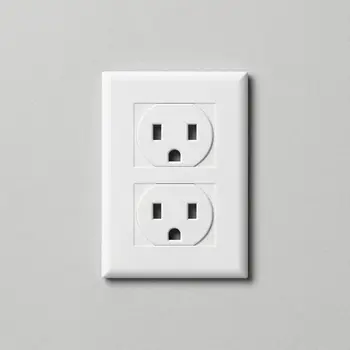
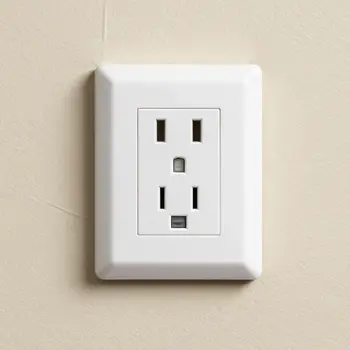
Bathrooms require GFCI for all receptacles within 6 feet of the basin. We install self-testing GFCIs meeting UL 943 standards with visible LED failure indication.
Weatherproof Outdoor Receptacles & In-Use Covers
Outdoor receptacles require GFCI protection and weatherproof In-Use covers. In-Use covers protect receptacles even with cords plugged in.
Las Vegas sun destroys these gaskets. UV radiation makes plastic brittle. Gaskets crack. When monsoon rains hit, water enters the box, causing GFCI trips. One wet outlet can take down entire circuits if wired incorrectly.
We install NEMA 3R rated covers with UV-resistant gaskets. We verify mounting surface flatness. We apply silicone sealant as secondary moisture barrier.
Pool areas require GFCI on all receptacles within 20 feet of water. We inspect these outlets annually.
Laundry Room & Garage Circuit Protection
The 2023 NEC requires GFCI protection for 240V dryer circuits. Previous code exempted dedicated appliance circuits. The new requirement addresses safety concerns with dryers in garages and basements with moisture exposure.
Installing GFCI on 240V circuits requires 2-pole GFCI breakers. For 240V dryers pulling 30 amps, we install 2-pole 30-amp GFCI breakers. These cost $80 to $120 compared to $15 for standard breakers.
Garage receptacles require GFCI protection except dedicated circuits for garage door openers or freezers. The freezer exception prevents food loss from nuisance trips.
Understanding the 2026 Clark County GFCI Code Updates
Clark County, City of Las Vegas, City of Henderson, and City of North Las Vegas adopted the 2023 NEC effective January 11, 2026. Key changes affect kitchen GFCI requirements, 240V appliance protection, and outdoor outlet specifications.
Why Your Older Las Vegas Home May Not Meet Current Standards
Homes built before 2026 don't meet current GFCI requirements. Homes built before 2008 have minimal GFCI protection. Homes built between 2008 and 2026 have GFCI on bathroom and kitchen countertops but not refrigerator or microwave circuits.
These older installations are grandfathered. You don't need to upgrade unless renovating or selling. However, GFCI protection prevents electrocution. Upgrading improves safety even if not required.
During home sales, inspectors flag missing GFCI protection. Buyers request GFCI upgrades. Installing GFCI protection preemptively avoids sale delays.
Self-Testing GFCIs: The New Standard for Reliability
Self-testing GFCIs automatically verify functionality. Standard GFCIs rely on users pressing the test button monthly. Most people don't test them. Self-testing GFCIs conduct internal diagnostics and indicate failure with LED or audible alarm.
UL 943 now requires self-testing on new GFCI devices. These cost $5 to $10 more than standard GFCIs but provide assurance that protection is active.
We install self-testing GFCIs on all new work. For existing installations, we recommend upgrading when replacing failed devices.
Troubleshooting: Why Your GFCI Outlet Keeps Tripping
GFCI outlets trip for legitimate ground faults or nuisance conditions. Understanding the difference prevents unnecessary service calls and identifies real hazards.
Moisture Intrusion in Outdoor & Pool-Side Outlets
Moisture is the primary cause of outdoor GFCI trips. Water in outlet boxes creates leakage paths to ground. The GFCI detects this and trips.
Las Vegas monsoons bring intense rainfall. Water overwhelms outdoor covers with failed gaskets. Pool areas experience constant moisture from splash. Sprinklers spray water on receptacles near landscaping.
We inspect outdoor covers for gasket integrity. Cracked gaskets need immediate replacement. We verify weatherproof boxes are sealed at conduit entries.
One wet outdoor outlet can trip a GFCI protecting multiple downstream locations. If your bathroom GFCI trips when it rains, the problem is likely an outdoor receptacle on the same circuit. We trace circuits to identify daisy-chained outlets and verify proper line vs. load side wiring.
Identifying "Nuisance Tripping" from High-Amperage Appliances
High-amperage appliances can cause nuisance trips. Motors with worn insulation create small leakage currents. Individually, these fall below the 4-6mA trip threshold. When multiple appliances operate simultaneously, cumulative leakage exceeds the threshold.
Refrigerators are common culprits. Compressor motors develop slight ground faults as insulation ages. The refrigerator runs fine for years, then the GFCI starts tripping after code required protection on circuits that didn't have it before.
Dishwashers and garbage disposals experience water exposure that degrades motor insulation. Combined leakage from multiple appliances causes GFCI trips.
We test appliances individually using a clamp meter to measure leakage current. Appliances showing leakage above 2mA need replacement.
Some nuisance trips result from incorrect wiring. GFCI receptacles have line (source) and load (downstream) terminals. Incorrect line/load wiring causes sporadic trips. We verify correct wiring at every GFCI installation.
FAQ: Ground Fault Safety in the Mojave Desert
Why won't my GFCI reset?
A GFCI that won't reset indicates either a persistent ground fault or failed device. Test by unplugging all devices from the GFCI and downstream outlets. If it still won't reset, the device has failed—replace it. If the GFCI resets with everything unplugged, you have a ground fault in connected equipment or downstream wiring. Plug in devices one at a time to identify the faulty equipment. If devices aren't the problem, the fault is in the wiring. This requires professional diagnosis.
Do I need a GFCI for my outdoor patio?
Yes. All outdoor receptacles require GFCI protection under NEC code. This applies to patios, covered porches, pool areas, and any exterior location. The GFCI can be a GFCI receptacle at the outdoor location or a GFCI in your panel. Outdoor GFCIs must have weatherproof In-Use covers rated NEMA 3R minimum. We install UV-resistant covers with sealed gaskets to prevent moisture intrusion that causes nuisance tripping.
How does the 2026 code affect my kitchen?
The 2026 Clark County code requires GFCI protection on ALL kitchen receptacles, not just countertops. Your refrigerator needs GFCI. Your microwave needs GFCI. Your dishwasher and garbage disposal need GFCI. If your kitchen was wired before January 11, 2026, it likely doesn't comply. You're not required to upgrade unless renovating or adding circuits. However, GFCI prevents electrocution from ground faults. We recommend upgrading even if not legally required. Installation involves replacing standard receptacles with GFCI receptacles or installing GFCI breakers to protect entire kitchen circuits.