Residential Electrician in Las Vegas | Safe Home Electrical Repairs
Your air conditioning runs 4,000+ hours per year in Las Vegas. Your main service panel handles amperage surges every time your compressor starts. If your system was installed before 2000, it wasn't designed for this continuous load.
Professional Home Electrical Services for the Las Vegas Valley
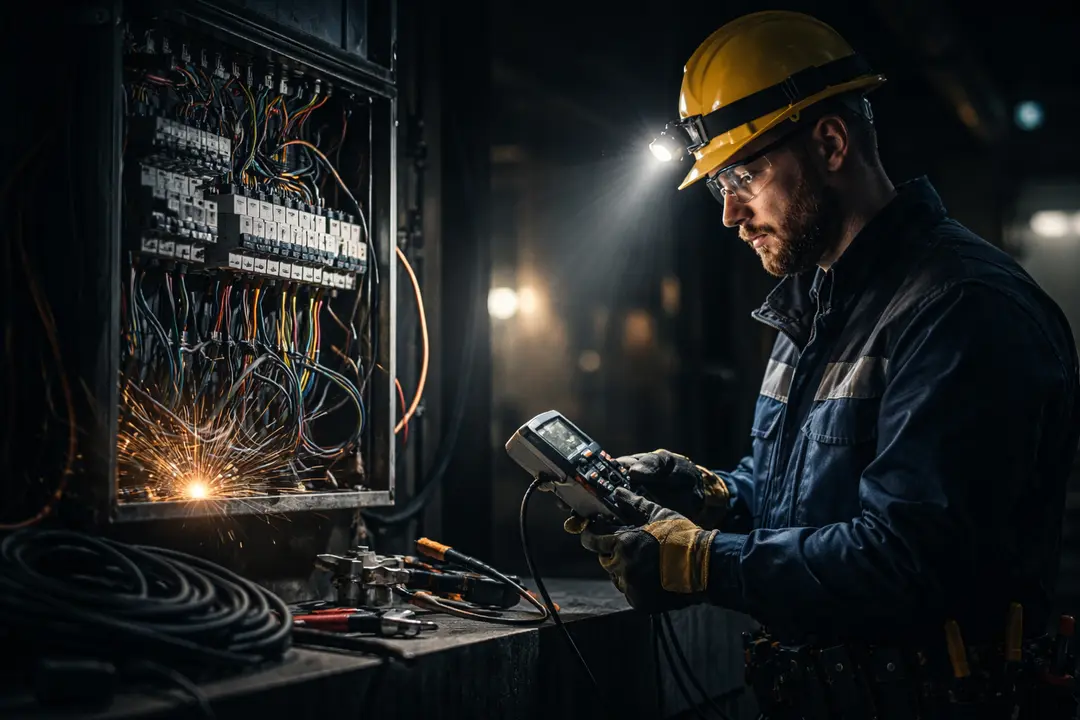
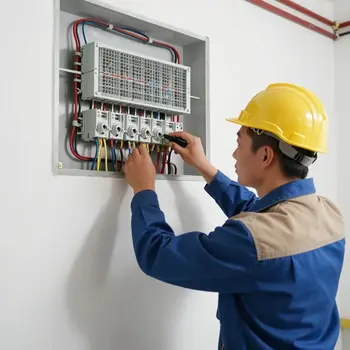
We inspect residential electrical systems for code violations, overloaded circuits, and heat-damaged components. We upgrade undersized panels, replace failing breakers, and install AFCI/GFCI protection where code requires it.
We focus on keeping Las Vegas homes safe from electrical fires and power failures. Your breaker panel and branch circuits take more thermal stress in Clark County than anywhere else in the country.
Household Wiring & Rewiring Specialists
Homes built in Paradise and East Las Vegas before 1980 often have cloth-wrapped wiring degraded from decades of attic heat. The insulation becomes brittle. Wire strands corrode. Junction boxes show arcing.
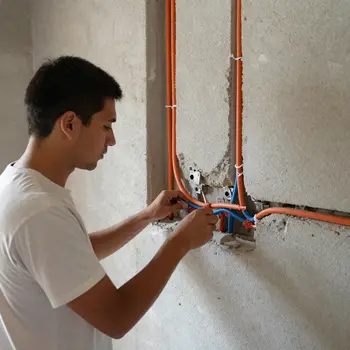
We rewire homes with outdated systems. We replace aluminum branch circuits with copper. We install new 12 AWG Romex for 20-amp circuits and 14 AWG for lighting. We eliminate dangerous splice points in inaccessible locations.
If your home has knob-and-tube wiring or ungrounded outlets, you need a full rewire. We install three-wire circuits with dedicated ground conductors.
Attic temperatures hit 150°F in July. Wire insulation degrades faster here. We inspect attic wiring for thermal damage and replace compromised sections.
Troubleshooting Flickering Lights & Power Surges
Flickering lights indicate voltage instability. The most common cause is a loose neutral connection at the meter base, panel bus bar, or junction box. When the neutral has high resistance, you get voltage imbalances between the two 120V legs.
NV Energy's grid experiences voltage fluctuations during peak demand. When transformers are loaded to capacity on 115-degree days, you'll see voltage sags. If lights flicker only during AC startup, your compressor is drawing locked rotor amps causing a voltage drop.
We test voltage at your panel under load. We check for loose connections. We verify your neutral bond. We measure voltage drop to ensure proper conductor sizing.
Lightning surges during monsoon season can destroy electronics. We trace damage back to compromised surge protection or grounding.
Safe Installation of Outlets, Switches, and Dimmers
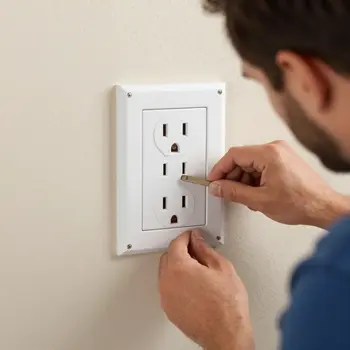
Every outlet and switch we install meets Nevada code. Tamper-resistant receptacles are required. GFCI protection is mandatory within six feet of water sources—kitchens, bathrooms, laundry rooms, garages, and outdoors.
We install 20-amp receptacles where appliances draw high current. We use commercial-grade devices with secure screw connections, not push-in terminals.
Dimmer switches must be rated for the load. LED fixtures require electronic low-voltage dimmers. We match the dimmer to the fixture.
All metal boxes require bonding to the ground conductor. We verify continuity between the box, ground wire, and receptacle.
Dedicated Circuits for Kitchen & Laundry Appliances
Your electric range pulls 40 to 50 amps. Your dryer pulls 24 to 30 amps. Your microwave pulls 12 to 15 amps. These cannot share circuits.
Nevada code requires dedicated 20-amp circuits for kitchen appliances. You need two separate circuits for countertop receptacles. Dishwasher and garbage disposal each need their own circuit.
We calculate ampacity for every appliance. A 40-amp range requires 8 AWG copper. A 30-amp dryer requires 10 AWG copper. Undersized wire creates fire risk.
Washer and dryer should be on separate circuits.
Keeping Your Vegas Home Safe in Extreme Temperatures
Thermal cycling is the hidden threat. Daytime hits 115°F. Nighttime drops to 85°F. Metal expands and contracts. Terminal screws loosen. Connections develop resistance.
Breakers are rated for 80% of capacity continuously. A 20-amp breaker should only carry 16 amps. AC compressors run continuously for months. Undersized breakers eventually fail.
We torque every terminal connection. We check bus bars for corrosion. We replace breakers showing thermal stress.
Identifying Heat-Damaged Insulation & Wiring
Heat damage shows as discolored insulation, brittle jackets, and exposed copper. In attics, we look for insulation that crumbles. In panels, we look for melted insulation near terminals.
Wire rated for 60°C should have been replaced decades ago. Modern Romex is rated for 90°C, but degrades in sustained attic heat. We replace wire showing visible damage.
Aluminum wiring from the 1960s and 1970s expands and contracts more than copper. We install AlumiConn connectors or replace aluminum circuits.
Whole-Home Surge Protection for Desert Storms
Monsoon season brings lightning strikes that send voltage spikes through power lines. A direct strike sends thousands of volts through your service entrance.
We install Type 2 surge protection devices at your main panel. These clamp voltage spikes before reaching branch circuits. NEMA 3R rated SPDs handle outdoor installations.
Point-of-use surge protectors provide secondary protection. Whole-home SPDs protect hardwired HVAC systems and water heaters.
Ground rods must be properly bonded to your panel's neutral bus.
Why Choose Las Vegas Electrician for Your Residential Repairs?
We've been troubleshooting Las Vegas electrical systems since 1980. We know which components fail under desert conditions.
Upfront Pricing Without Hidden Service Fees
You call us with a problem. We arrive, assess the issue, and tell you exactly what it costs. No diagnosis fees.
If your repair requires a permit, we tell you before starting. We handle the permit and inspection.
Uniformed, Background-Checked Technicians
Every technician carries photo identification. Our trucks are marked. We wear company uniforms.
We don't send apprentices to troubleshoot complex issues. You get an experienced electrician.
Frequently Asked Questions: Residential Electrical Safety
Why do my breakers trip when the AC turns on?
AC compressors draw locked rotor amps at startup—typically 5 to 8 times running current. A 5-ton unit pulling 20 amps normally might pull 120 amps for 1 to 2 seconds at startup. If your breaker is sized too close to startup current, or if the thermal element is worn, it will trip. This also happens when multiple appliances are on the same circuit leg. We test startup current, verify breaker sizing, and redistribute loads to balance your panel.
How often should a Las Vegas home have an electrical inspection?
Las Vegas homes should have electrical inspections every 5 to 7 years due to extreme thermal stress. If your home is over 20 years old and hasn't had a panel inspection, you're overdue. We check for loose connections, corroded bus bars, failing breakers, and outdated wiring. Homes with aluminum wiring, Federal Pacific panels, or Zinsco panels need immediate inspection. If you're adding major appliances like an EV charger or pool, an inspection verifies your panel can handle the load.
Is it safe to use power strips for my home office setup?
Power strips are safe for low-draw devices like monitors, printers, and chargers. They're unsafe for space heaters, laser printers during heavy printing, or devices pulling over 12 amps continuously. Check the power strip's rating—most are 15 amps maximum. Add up the amperage of everything plugged in. If your total approaches 12 amps, you're overloading it. Never daisy-chain power strips. If you need more outlets, we install additional circuits and receptacles.